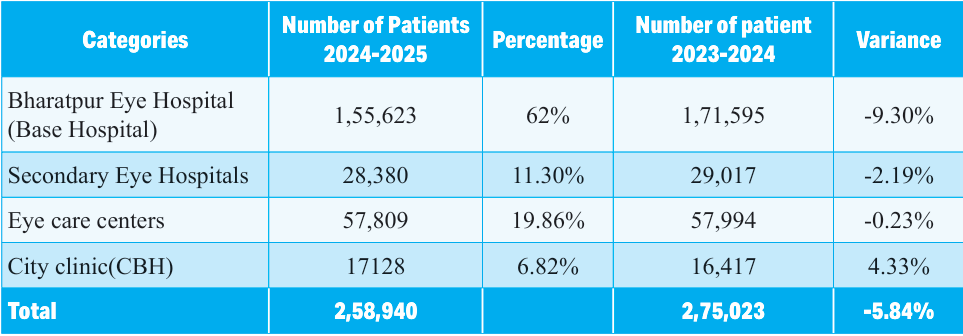
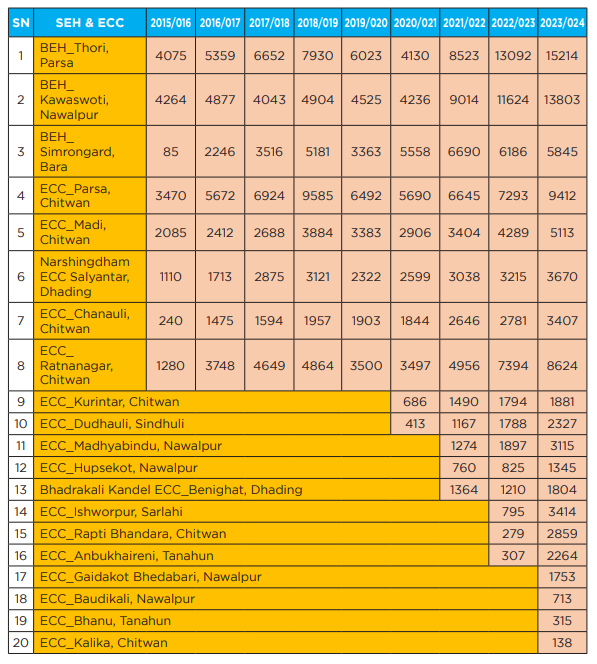
A total of 2,58,940 patients visits were recorded and received eye care services from outpatient department at Bharatpur Eye Hospital (base hospital) and its networks that includes 2 secondary eye hospitals 21 eye care centers and 1 City clinic in the year 2024-2025. There is -5.84% decrease in OPD patients served compared to previous year 2023-2024.
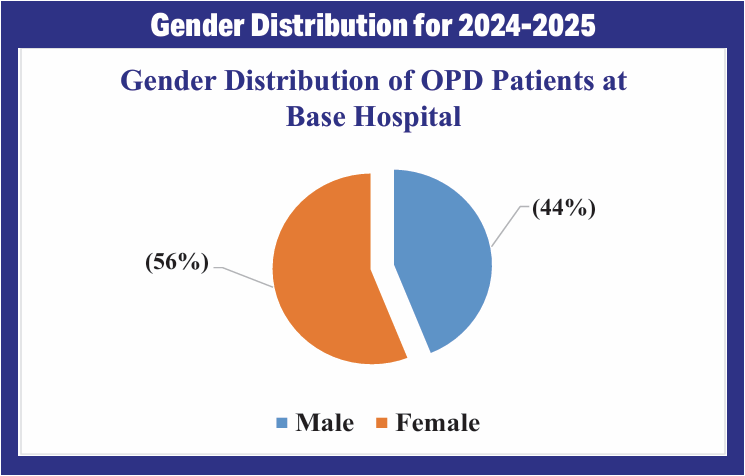
Out of 1,55,623 OPD patients visits in base hospital, 60351 (38.78%) were new registered patients and 95277 (61.22%) were follow up patients. 95591 (61.42 %) of patients took the eye services through health insurance policy. More female patients (56%) are seeking eye care services than malepatients (44%) at base hospital.
SURGICAL PERFORMANCE
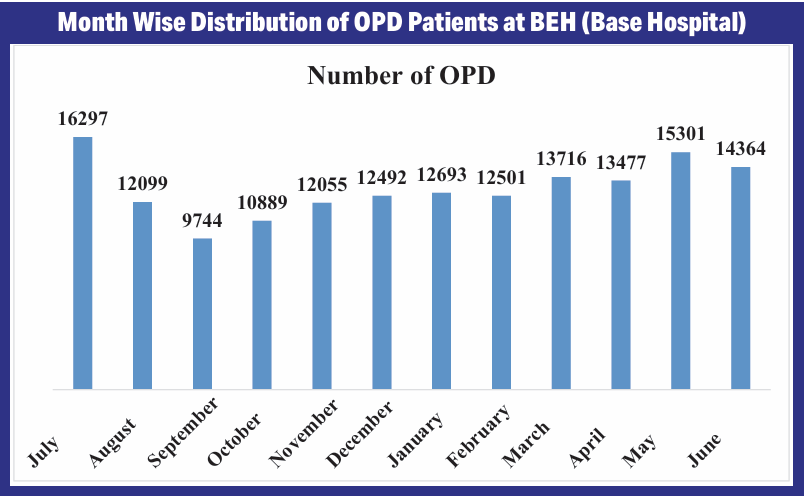
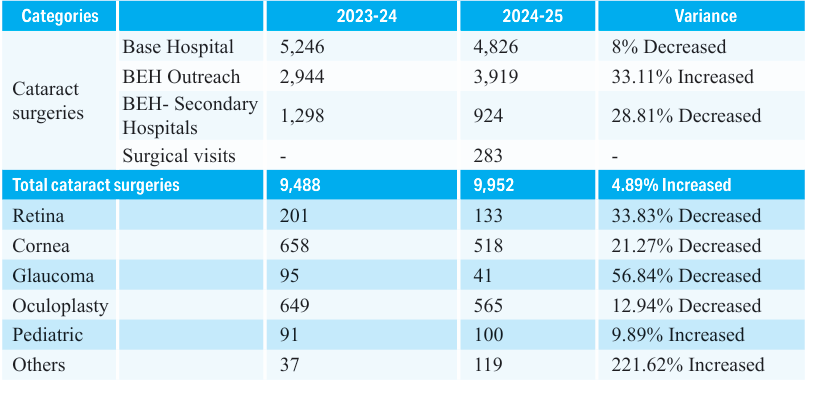
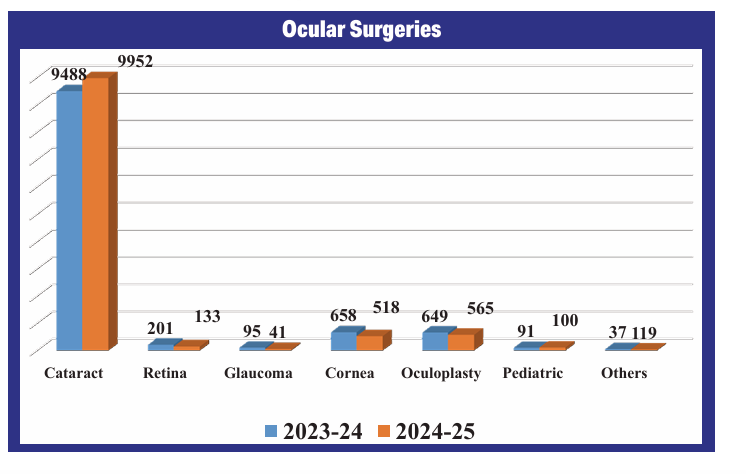
A total of 11,349 ocular surgeries of various categories were performed in the year 2024-25 including those surgeries performed at base hospital, secondary eye hospitals, surgical visits and outreach camps. Of the total surgeries 9,966 (87.8%) were sight restoring cataract surgeries, including those performed through various DST and surgical camps. Out of total cataract surgeries 3919 (39.3%) were performed through outreach camps. Majority of cataract surgeries performed at Male Female 16297 12099 9744 10889 12055 12492 12693 12501 13716 13477 15301 14364 Number of OPD Month Wise Distribution of OPD Patients at BEH (Base Hospital) SURGICAL PERFORMANCE A total of 11,428 ocular surgeries of various categories were performed in the year 2024-25 including those surgeries performed at base hospital, secondary eye hospitals, surgical visits and outreach camps. Of the total surgeries 9,952 (87%) were sight restoring cataract surgeries, including those performed through various DST and surgical camps. Out of total cataract surgeries 3919 (39.3%) were performed through outreach camps. Majority of cataract surgeries performed at hospital were phaco surgeries 4,135 (85.68%). Only 1,476 (12.91%) ocular surgeries performed at BEH and its networks were other than cataract surgeries.
RETINA DEPARTMENT
The vitreoretinal department is one of the first and well established sub-speciality department at Bharatpur Eye Hospital. The vitreoretinal department is combined with the Uveitis and ocular inflammation department and is jointly called the department of uveitis and vitreoretinal services. We have two consultants in the department who are trained in both departments, uveitis and vitreoretinal surgery. All standard equipment for patient care are available in the department as well as adequate training facilities.
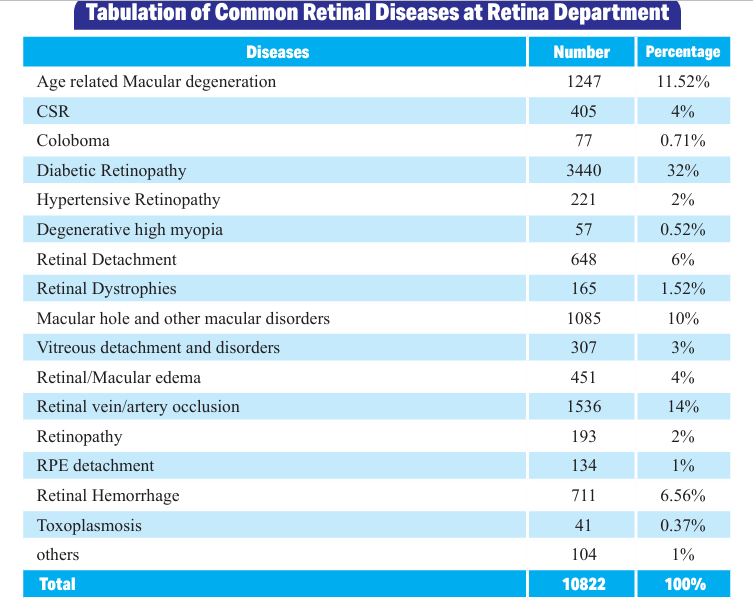
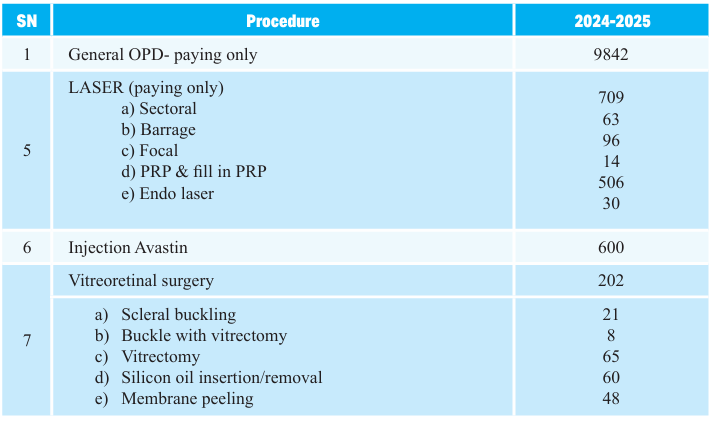
It has facilities for green laser photocoagulation with additional facility of indirect laser Ophthalmoscopy. Also, the department of investigative ophthalmology includes a swept source OCT with OCT angiography along with fundus photography, Fundus Fluorescein Angiography (FFA) and high resolution ultrasound B-scan to support diagnosis and research in the department. In terms of data, the patient flow averages 50-60 per day presently. Out of 10822 medical record entries related to retina,diabetic Retinopathy, Age related Macular Degeneration and retinal venous occlusions are the most common retinal conditions.
GLAUCOMA DEPARTMENT
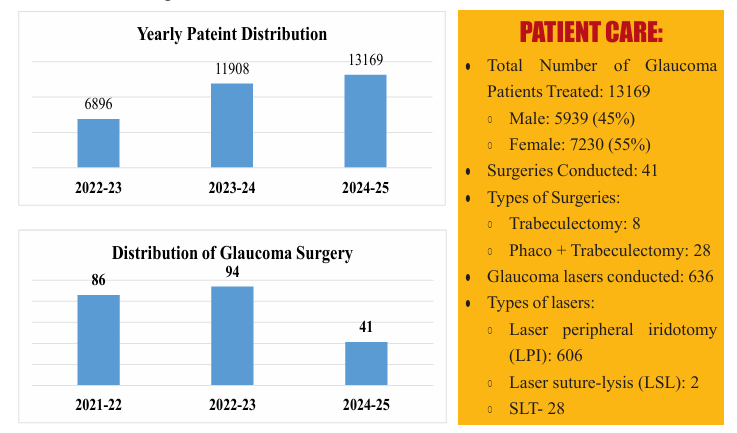
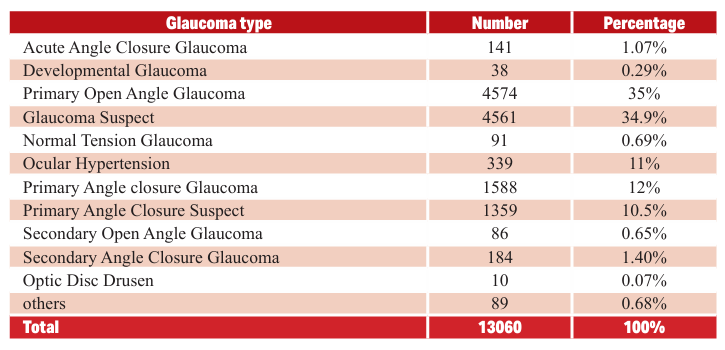
The Glaucoma Clinic at Bharatpur Eye Hospital remains steadfast in its commitment to delivering the highest standards of clinical care, research, and education, aligned with our mission to preserve sight and enhance the quality of life for our patients. As a leading center for the management and treatment of glaucoma, the clinic is staffed by a dedicated team comprising a glaucoma consultant, residents, optometrists, perimetrist, ophthalmic assistants, and support personnel-all working in close collaboration to provide comprehensive and personalized care to patients across all age groups. The department is fully equipped with state-of-the-art diagnostic technologies essential for the accurate diagnosis and ongoing monitoring of glaucoma. These include advanced perimetry systems, tonometry, and imaging tools that support both clinical decision-making and academic training.
PEDIATRIC DEPARTMENT
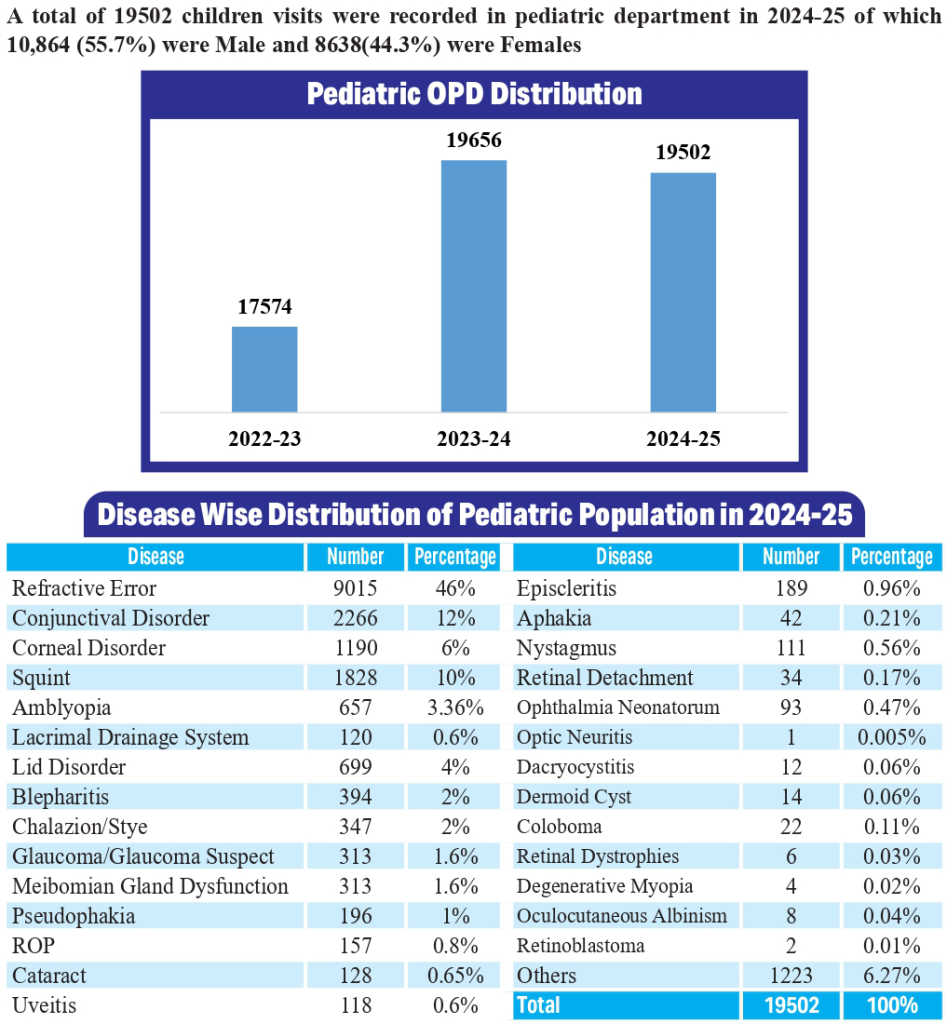
Pediatric Department was started as a separate department (0-16 years) on 2014, and it has come a long way in a decade. It started with 2 optometrist, now it has expanded its wings and proudly has its own Pediatric Ophthalmologist, an Optometrist, an Orthoptics and Orthoptic trainee. This department not only caters to the pediatric population (0-16 years), but is also taking care of the people with strabismus, and neuroophthalmological issues. Thus, from one department it has grown its subdivisions as Pediatric OPD, Strabismus and Neuro-ophthalmology clinic and Orthoptic clinic. Recently Amblyopia Clinic with Vision therapy facility has been established to provide comprehensive care to amblyopic children and other binocular single vision abnormalities. We are here to serve the most challenging and rewarding population (Children, who are our future).
CORNEA DEPARTMENT
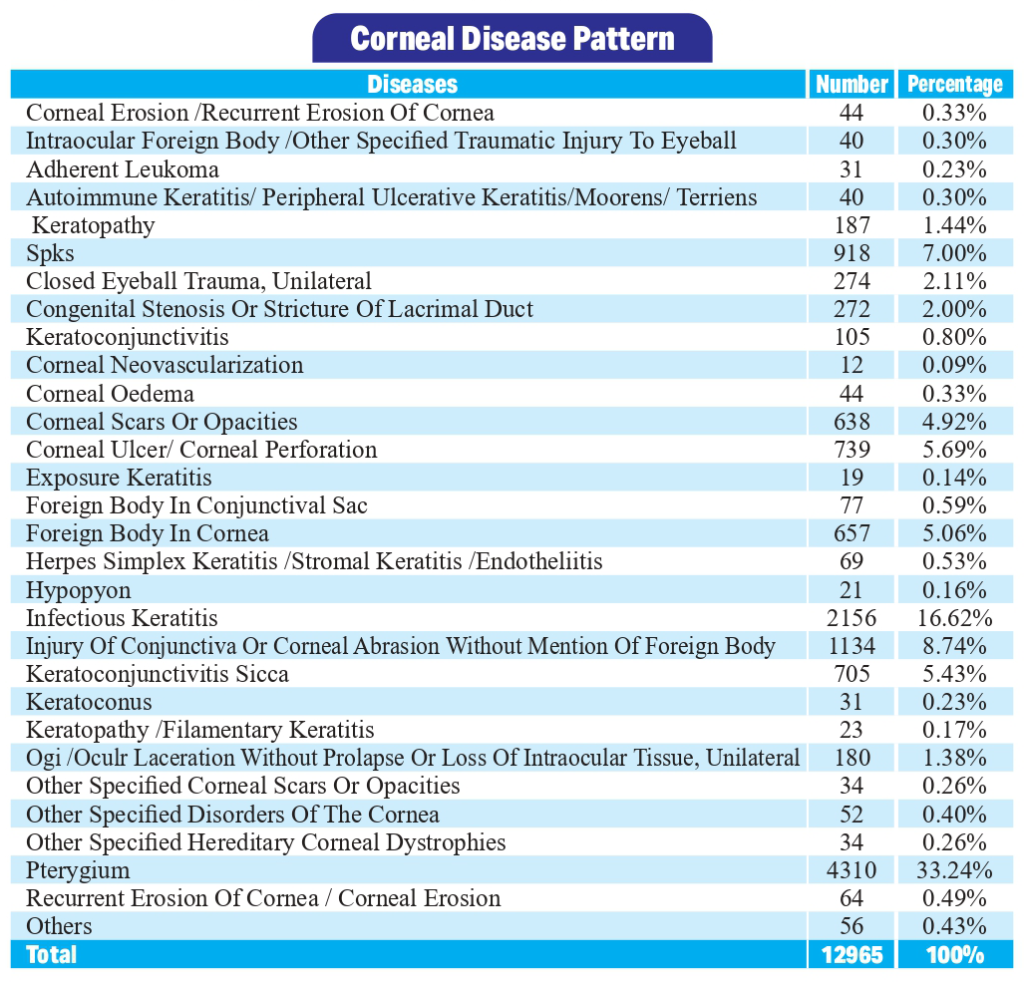
The Cornea Department at Bharatpur Eye Hospital is one of the most well-established subspecialty units within the institution. Given that corneal diseases remain a leading cause of blindness in developing countries, the department has been instrumental in providing specialized care not only to patients from Chitwan, but also from neighboring districts. The department is equipped with a comprehensive range of diagnostic and therapeutic instruments essential for the management of ocular surface and corneal disorders. Since 2017, Bharatpur Eye Hospital has operated a cornea collection center and offers corneal transplantation services, significantly enhancing its capacity to restore sight. During the fiscal year 2024-25, the department registered a total of 3,565 patients. The most commonly encountered conditions included pterygium, keratitis, corneal ulcers, and corneal opacities. Additionally, 31 patients were diagnosed with keratoconus, reflecting the department’s diagnostic depth. A total of 518 cornea-related surgeries were performed during the year, of these, 451 patients underwent pterygium excision with conjunctival autografting, while 22 patients received corneal transplants, marking a significant contribution to sight restoration efforts in the region.
OCULOPLASTY DEPARTMENT
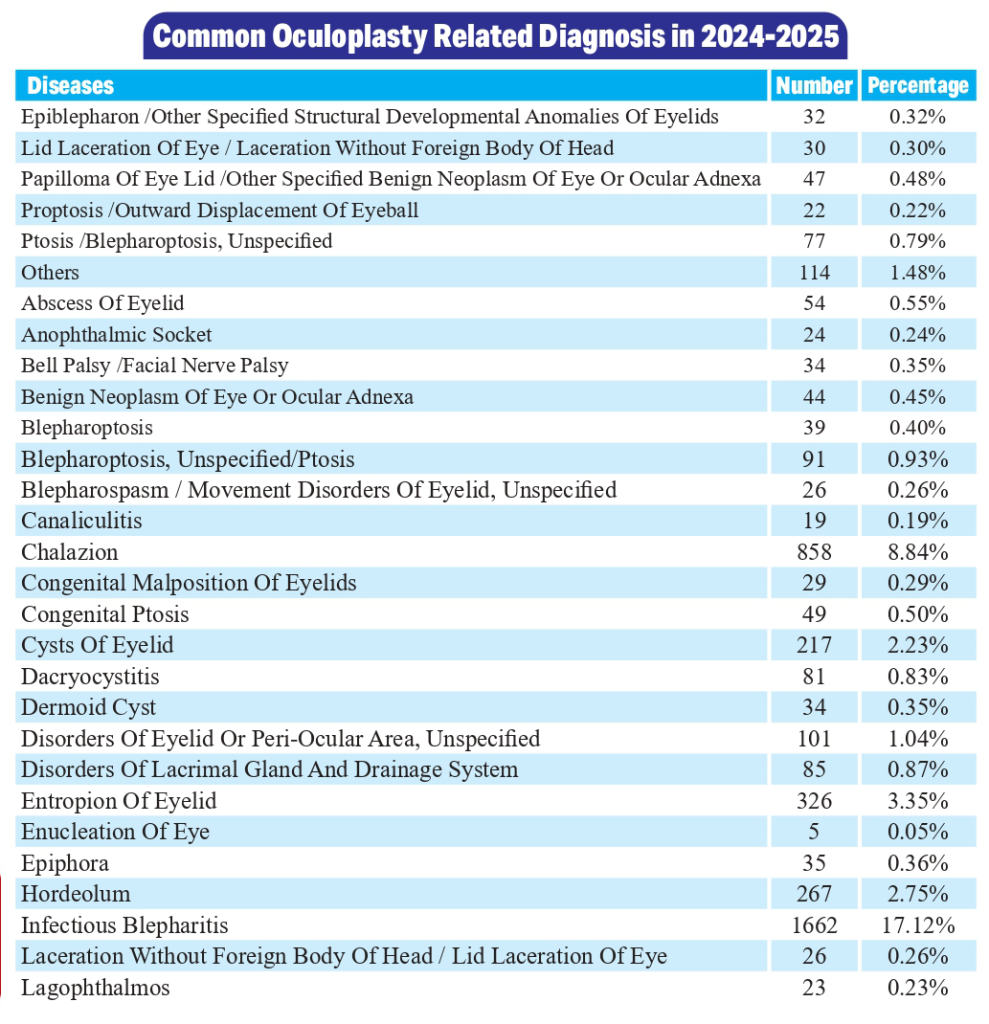
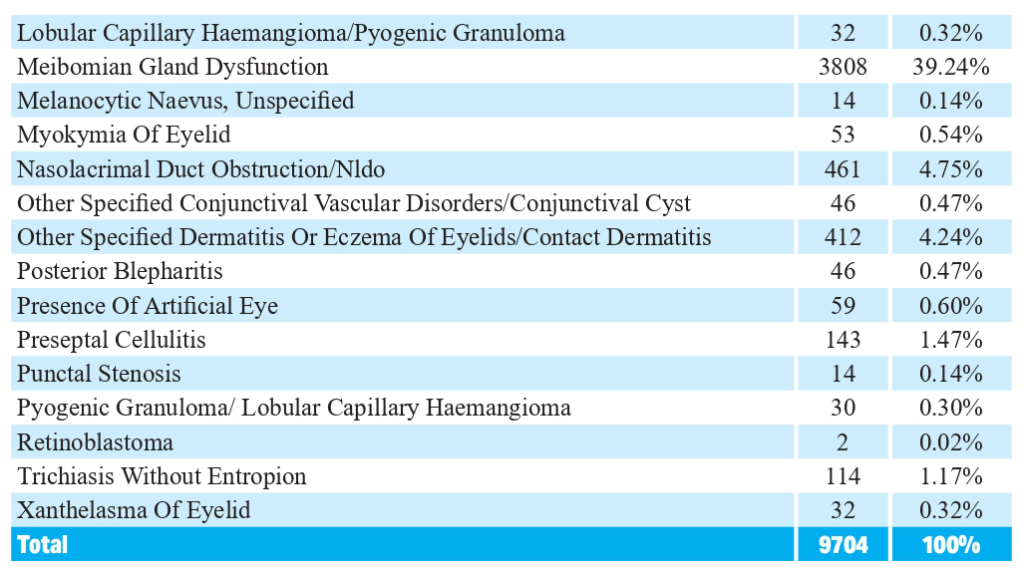
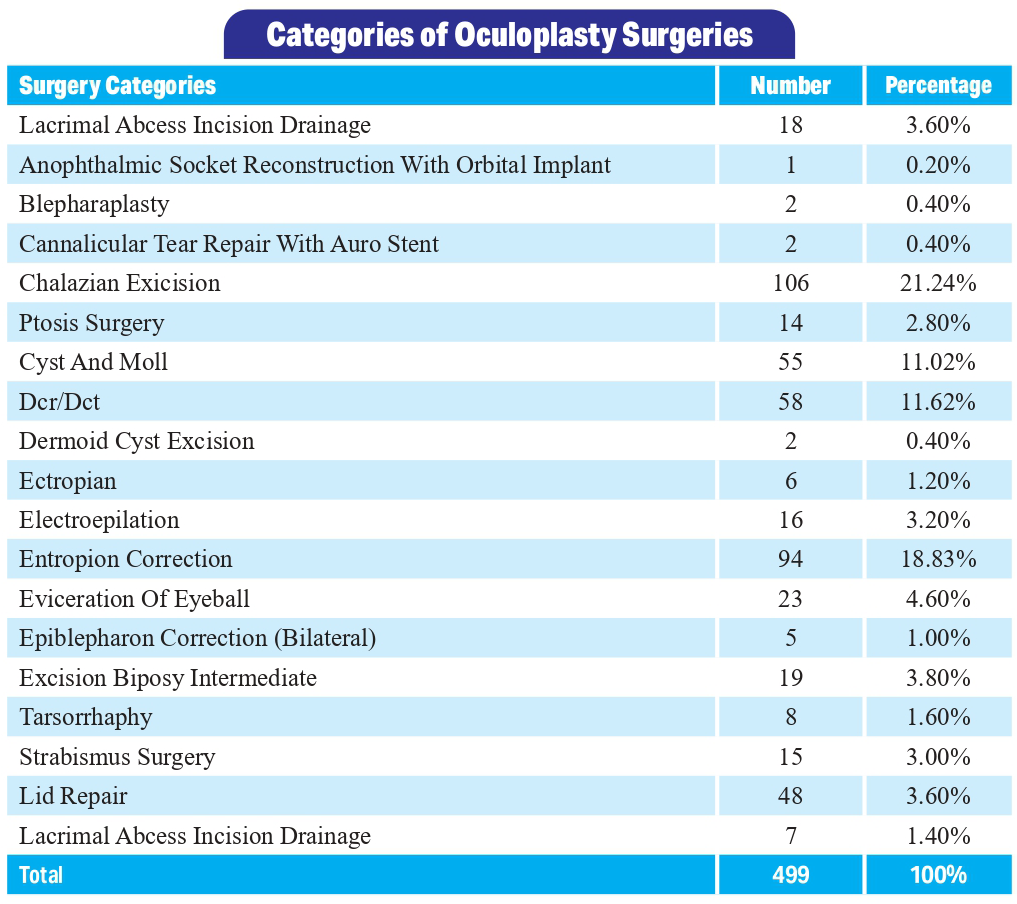
The Oculoplasty Department at Bharatpur Eye Hospital is a dedicated subspecialty unit focused on the diagnosis and management of disorders affecting the orbit, eyelids, tear drainage system, and ocular adnexa. The service is currently provided by two experienced oculoplasty surgeons, offering specialized care to patients with both functional and aesthetic needs. Common procedures performed include chalazion excision, entropion correction, and dacryocystorhinostomy (DCR), addressing a wide spectrum of lid and lacrimal system disorders. With the establishment of this subspecialty, the department strives to enhance both functional restoration and cosmetic outcomes, particularly for individuals who have undergone enucleation or eye loss, thereby supporting improved rehabilitation and quality of life. During the fiscal year, a total of 3,292 patients were registered under the Oculoplasty Department, reflecting its growing role in comprehensive ophthalmic care
LOW VISION DEPARTMENT
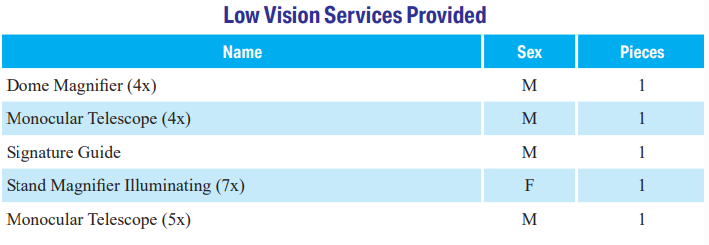
The low vision clinic is equipped with common low vision devices like monocular telescope, binocular telescope, spectacle magnifiers, and hand- held magnifiers, stand magnifiers, filters and non- optical devices. Low vision clinic has helped many patients to see better and use the residual vision to perform must needed daily activities. A total of 23 patients were provided low vision services in this year.
CONTACT LENS CLINIC
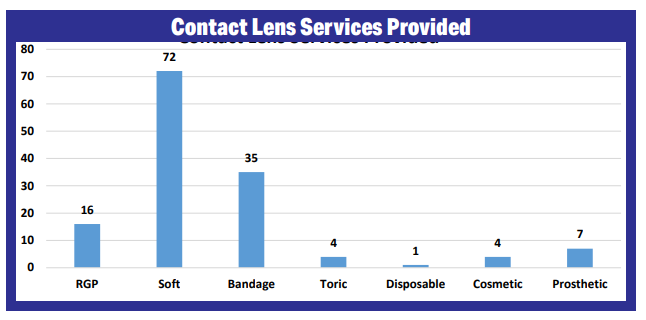
Contact Lens are thin lenses placed directly on the surface of the eyes for refractive correction, cosmetic and therapeutic purpose. There are variety of contact lenses available based on its primary function, material, wearing and replacement schedule. Vision problems are pretty common in Nepal and people need some kind of vision correction device. Increasingly more people are turning to contact lens vision correction whether it is due to lifestyle or cosmetic reason. In our hospital we provide services for the patient who wants CL for refractive correction, Keratoconous patient, patient having corneal problem with various lenses like power contact lens, disposable lenses, RGP lens, Bandage lens, and Toric contact lens.
A total of 139 patients took the contact lens service from the clinic in this year. The majority of the patients were prescribed soft contact lenses.
TELE-OPHATHALMOLOGY UNIT
Tele-Ophthalmology Services at Bharatpur Eye Hospital, initiated in 2017, aim to improve access to quality eye care in remote and underserved areas. Initially conducted through Skype, the service now operates via phone and WhatsApp six days a week under the supervision of a Senior Ophthalmic Officer with support from 12 ophthalmologists. In the fiscal year 2024–25, a total of 1,669 cases were reviewed through the teleconsultation unit. With 20 peripheral eye care centers connected to the network, the system has reduced unnecessary patient visits to the base hospital. Furthermore, it serves as a learning platform for in-charges at connected centers, thereby enhancing the overall quality, efficiency, and continuity of eye care.
ORTHOPTIC UNIT
At Bharatpur Eye Hospital, the Orthoptic Unit has emerged as a dynamic and dedicated service wing, expertly managed by a highly trained orthoptist. With unwavering commitment, the unit has already delivered orthoptic care to 1,246 patients in this fiscal year, offering hope and improved vision to those suffering from squint and eye alignment issues. More than just a service provider, the unit is also a training ground for future professionals, enrolling one trainee each year to build a strong foundation of skilled orthoptic manpower for the coming generation.
AMBLYOPIA UNIT
The Amblyopia Unit officially launched on 1st April 2025 under the Paediatric Department, marks a significant step towards specialized child eye care led by a dedicated optometrist. In the fiscal year 2024-2025 the unit has provided amblyopia vision therapy to 35 patients, offering new hope for improved vision and brighter futures. This unit stands as a growing center of service and commitment, aiming to expand access to quality amblyopia management for even more children in the days ahead.
DRY EYE CLINIC
The Dry Eye Clinic, established in 2079 and operating under the Cornea Subspecialty Department, offers comprehensive diagnostic and therapeutic services for patients with dry eye disease. During the fiscal year 2024–2025, a total of 274 patients underwent detailed diagnostic evaluations, while 563 patients received dry eye therapy. The clinic functions under the supervision of a senior ophthalmic assistant, ensuring the highest standards of patient care and maintaining a strong commitment to clinical excellence.
OCULAR PROSTHESIS UNIT
This unit established in 2080, operates under the Oculoplasty Subspecialty Department and has been providing ocular prosthesis services. During the fiscal year 2024–2025, a total of 31 patients (23 males and 8 females) visited the laboratory. Among them, 26 patients were successfully provided with prosthetic eyes. The department continues to deliver this specialized service with the objective of restoring the cosmetic appearance and enhancing the confidence of patients requiring ocular prostheses.
OPHTHALMIC IMAGING
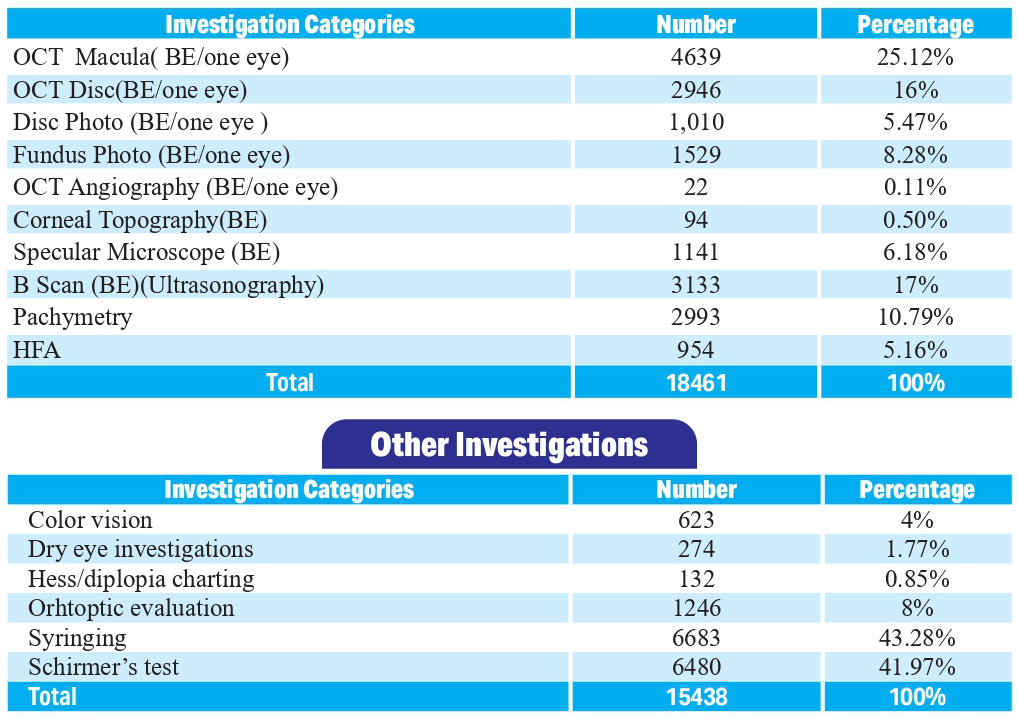
The investigative department is well equipped with almost all necessary investigative instruments for investigating different ocular conditions required for proper diagnosis and management of ocular pathology. Currently we have OCT, Fundus Camera, Corneal topography, Specular microscope, B-scan, A-scan, Keratometer, Anterior segment photography, Pachymetry etc.
LABORATORY DEPARTMENT
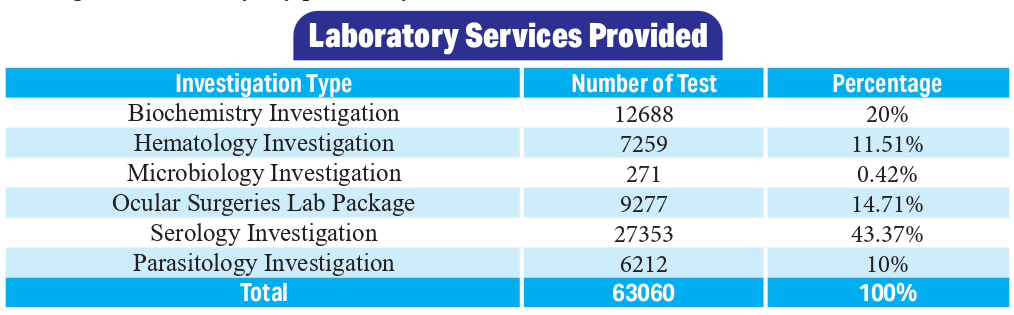
Bharatpur Eye Hospital is equipped with a well-facilitated laboratory that provides comprehensive services for patients undergoing ocular surgeries. The laboratory conducts a wide range of essential investigations to identify any possible systemic associations.
Performance of Secondary Eye Hospitals, Eye Care Centers
and Outreach Activities
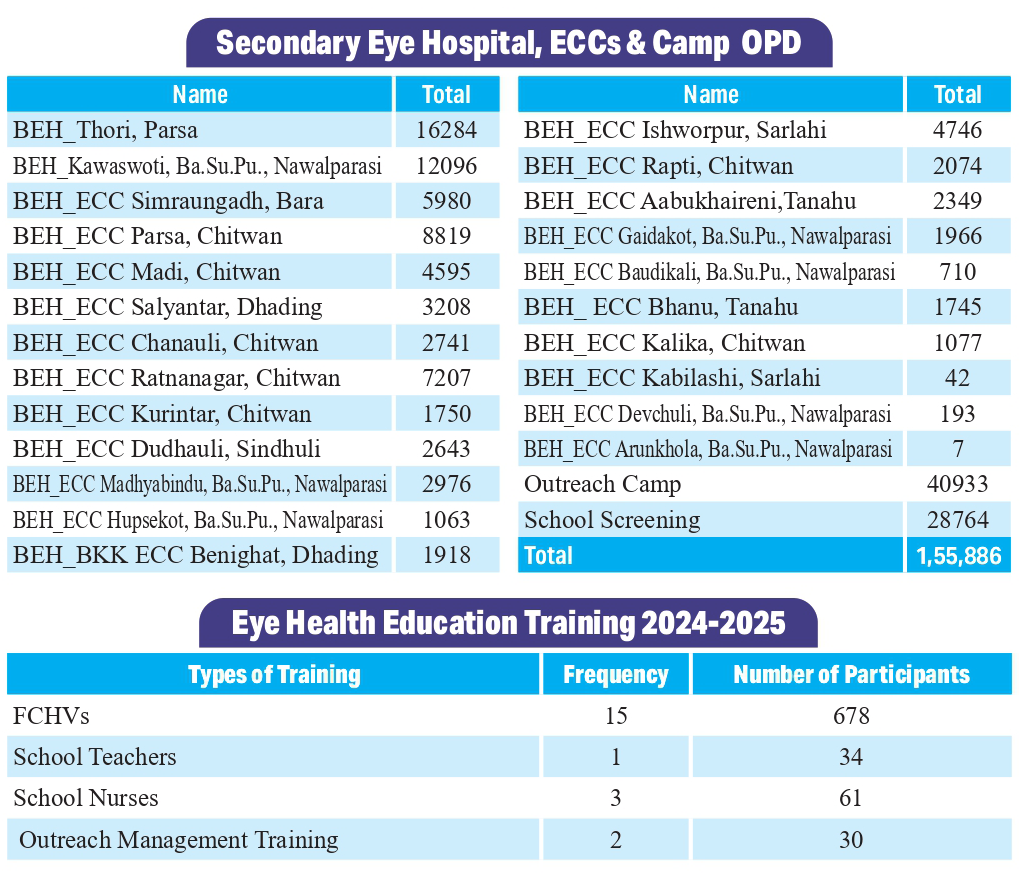
To extend quality eye care services to underserved populations, Bharatpur Eye Hospital (BEH) operates a robust service network comprising two secondary eye hospitals (Kawasoti and Thori) and 21 Eye Care Centers. Throughout the year, community outreach activities are conducted to ensure access for those who might otherwise remain unreached. During the reporting year, BEH organized a total of 84 Distant Screening and Treatment (DST) Camps, 24 surgical camps, 11 surgical visits, 66 school screening programs, 3 colour vision testing camps, and 3 workplace screening camps. Through these outreach initiatives, 40,933 individuals received eye care services. Notably, 4,202 sight-restoring cataract surgeries were performed via DST camps, surgical camps, and surgical visitsaccounting for 42% of the total cataract surgeries conducted during the year.
In addition to outreach, the two secondary eye hospitals served 28,380 outpatient department (OPD) patients, while the Eye Care Centers collectively provided services to 57,809 patients, reinforcing BEH’s commitment to equitable and accessible eye health across the region.
Nepal Netra Jyoti Sangh Hiralal Santu Devi Pradhan Institute of Ophthalmic Sciences Bharatpur Eye Hospital Chitwan Nepal
OPD Performance BEH_ECCs 2015/016 to 2023/024